Journal — May 2026

On wear.

On wear.

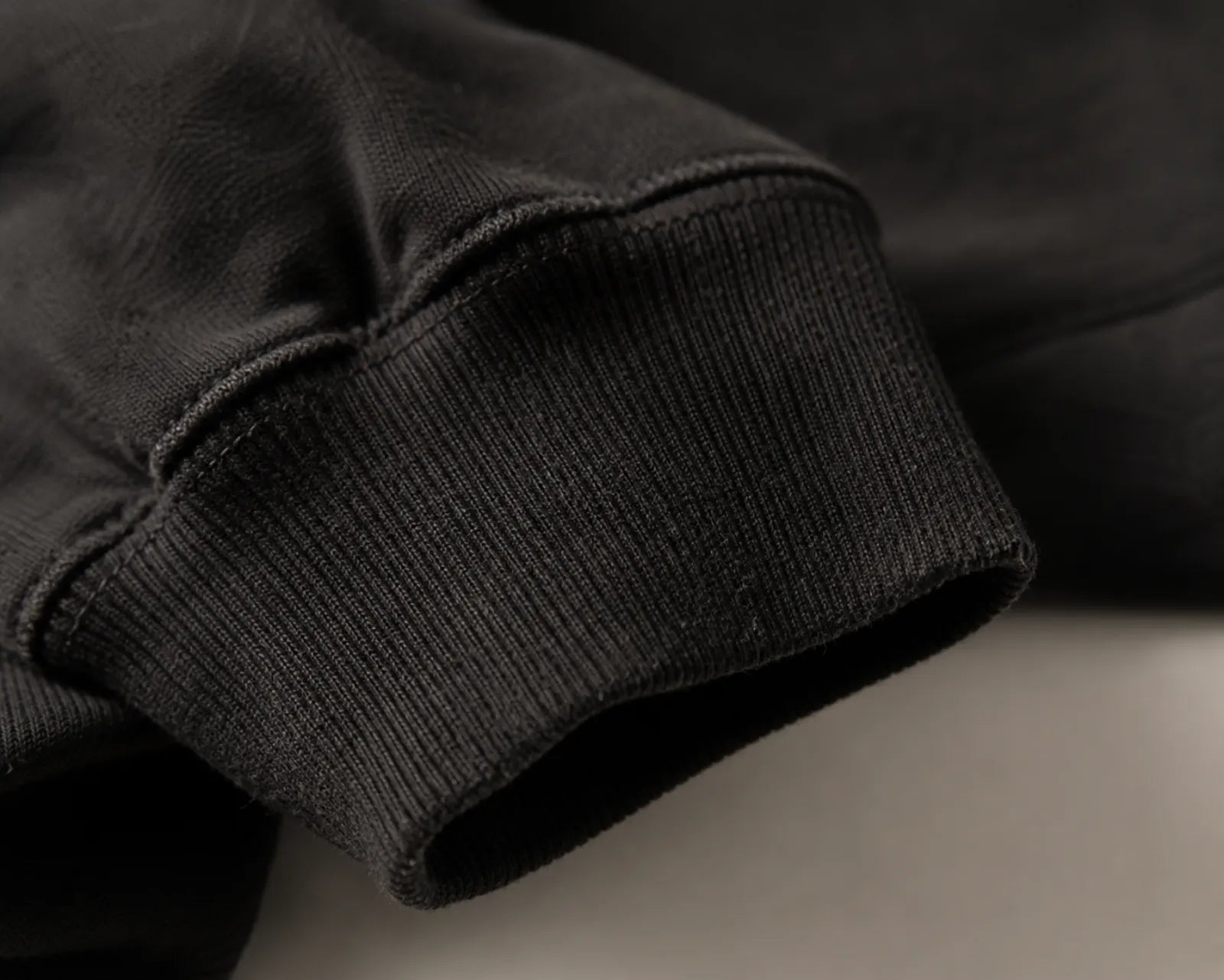
A garment becomes itself over time. The cotton softens. The seams settle. The cuffs and hems take on the shape of the body that wears them. After two years, a heavyweight hoodie is no longer the object that left the factory — it has become the wearer's hoodie, marked by use in ways that cannot be designed.

This is not damage. It is patina. The same process that ruins disposable clothing improves clothing built to be kept. A 140gsm cotton tee thins, distorts, and discards itself within a year. A 320gsm tee, worn at the same frequency, develops a hand that no new garment can replicate.

The economics of disposable clothing depend on this distinction being hidden. If a customer understood the cost-per-wear of a $40 tee that survives 30 wearings versus a $90 tee that survives 600, the math would collapse the entire fast-fashion category. The industry depends on the assumption that durability is invisible.

OSH builds toward the opposite assumption. The garment is designed to be the last one purchased in its category. The first wear is not the final state. It is the beginning.

Back to the journal